

There is a particular kind of aloneness that comes with being somewhere completely unfamiliar, with no one who knows your name.
I’ve felt it in cities across the world. Standing on a pavement trying to work out which direction to walk. Sitting at a restaurant table set for one, wondering what to do with my hands while I waited for my food. Arriving somewhere after dark, tired and slightly lost, with no one to turn to and say: did we come the right way?
There is no we. That’s the point.
I’ve been travelling solo for most of my adult life. And for many of those years I thought the challenge of it was practical: how to navigate, how to stay safe, how to manage alone. I spent a lot of energy solving the logistics.
What I understand now, after 23 years and 13 countries, is that the real challenge of being alone in an unfamiliar place was never about the map. It was about learning to be with myself. Fully, without distraction, without anyone else to focus on or lean on or hide behind.
Solo travel taught me that in the most direct way possible. And so, I’ve realised, has living abroad.
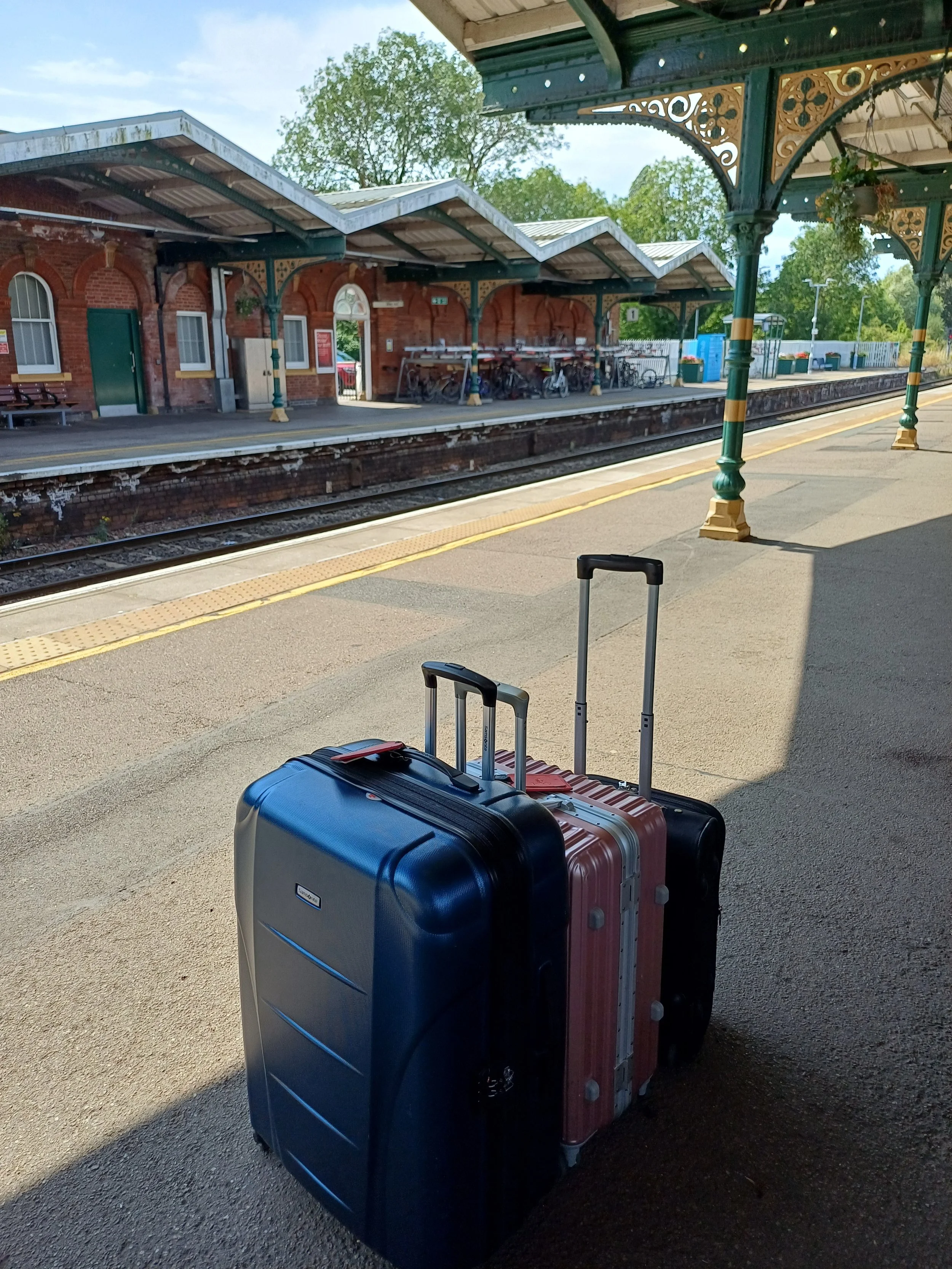
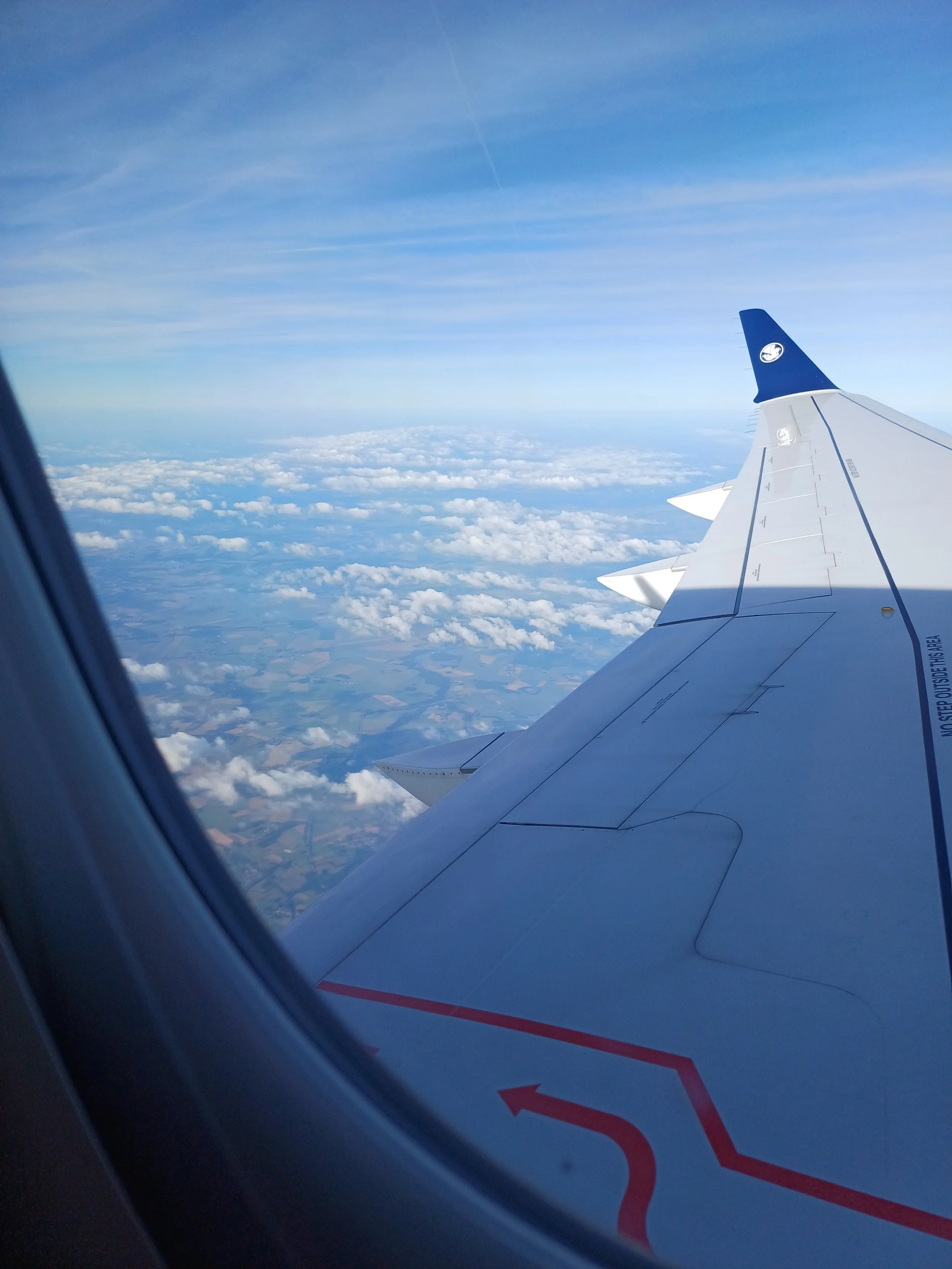
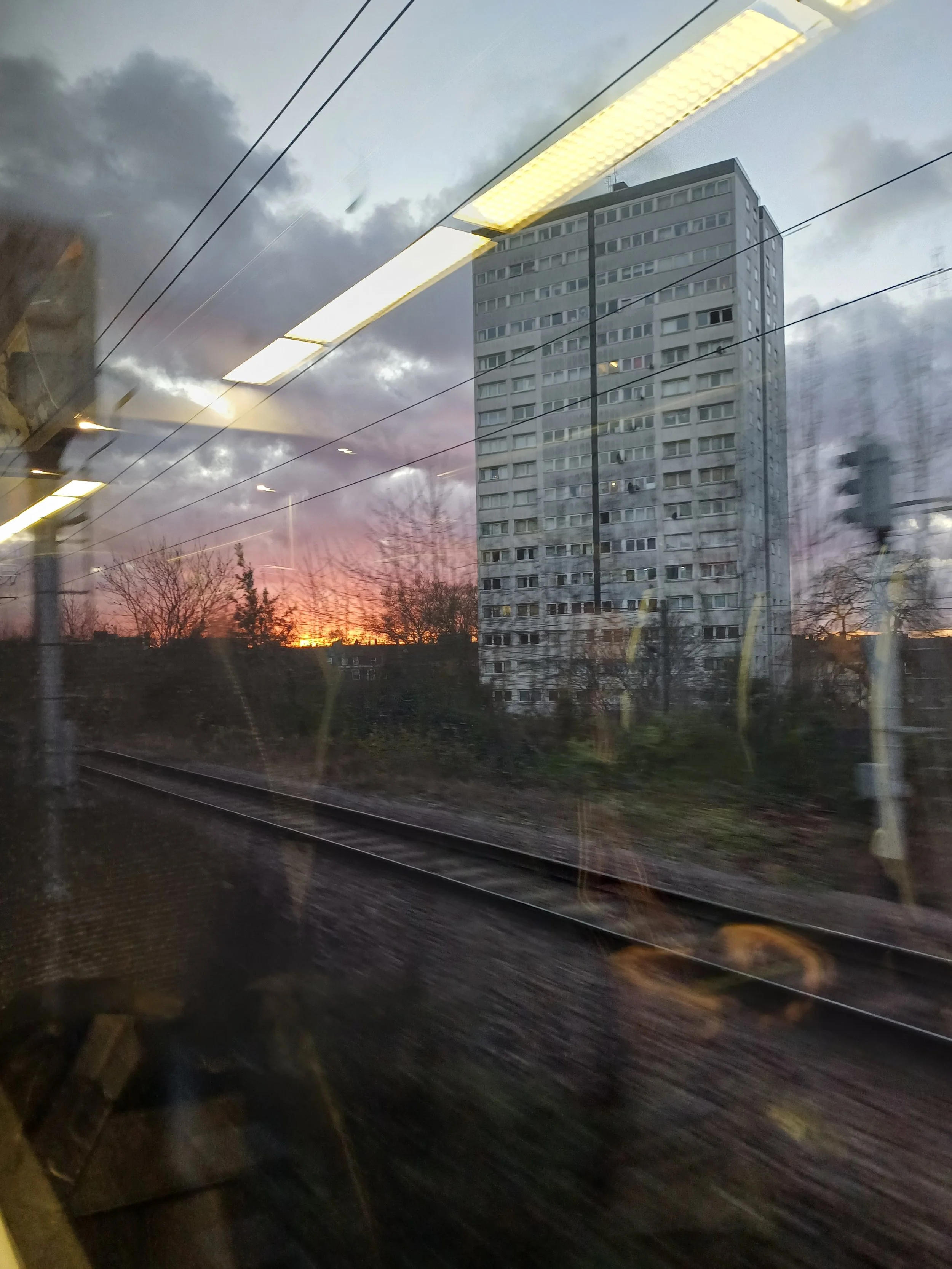
The first night in a new city
I learned early that arriving somewhere after dark — alone, tired, not yet knowing where anything is — is one of the most disorienting feelings there is. Nothing looks the way it did in the photos. The streets feel different at night. Your body doesn’t know yet whether this place is safe.
What I discovered in those moments was that I had a choice about how to meet that feeling. I could resist it, panic quietly, rush to fix it. Or I could take a breath and let the unfamiliarity just be there for a while. Not dangerous. Just unknown.
That’s harder than it sounds. But it’s a practice. And it’s the same practice that living abroad requires of you every time you move somewhere new — the capacity to sit with not knowing, without immediately trying to make it familiar.
The places I settled into most fully were the ones where I let myself be a stranger for a little while first. Where I didn’t rush to make everything feel like home before it was ready to.
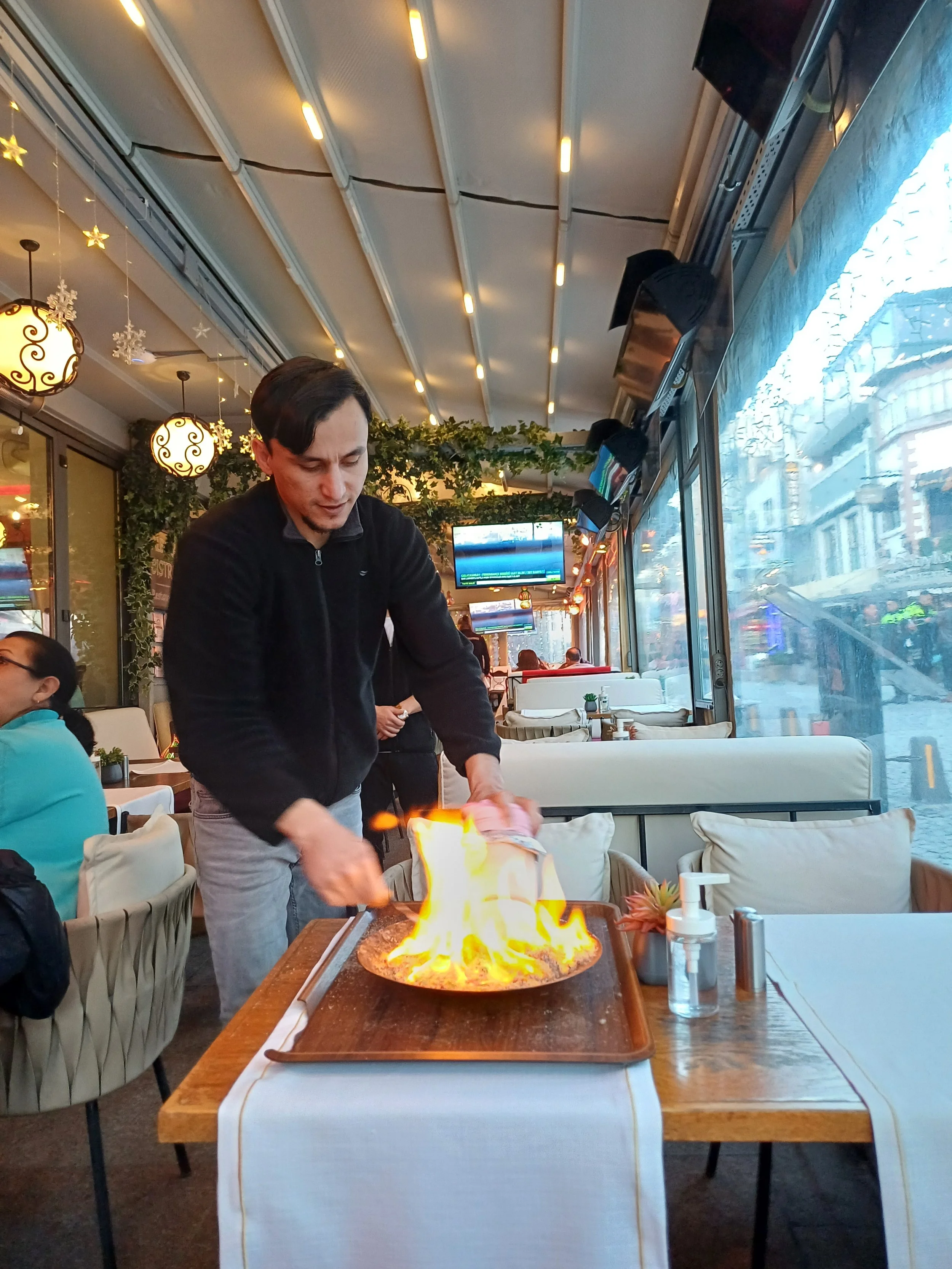
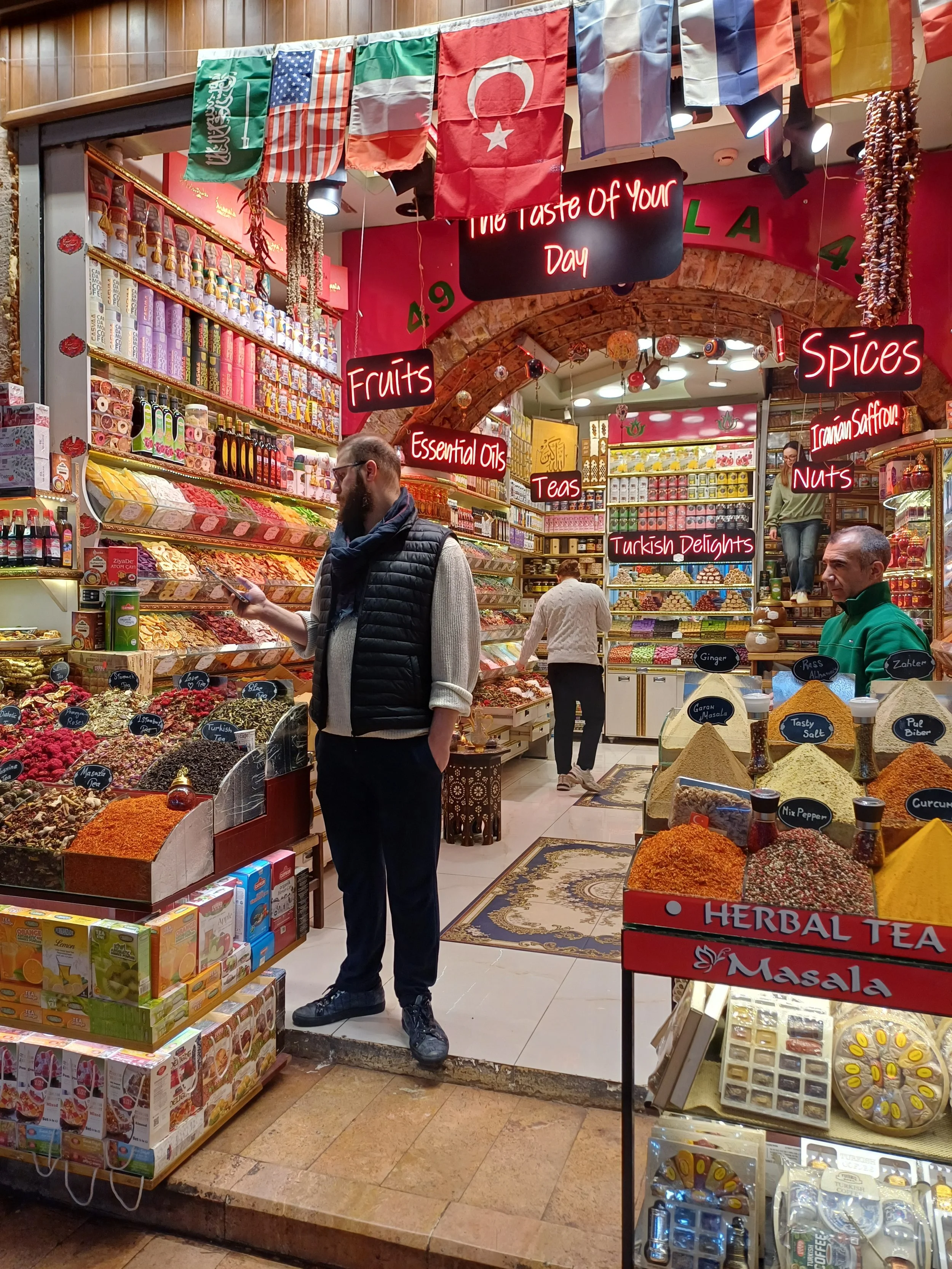
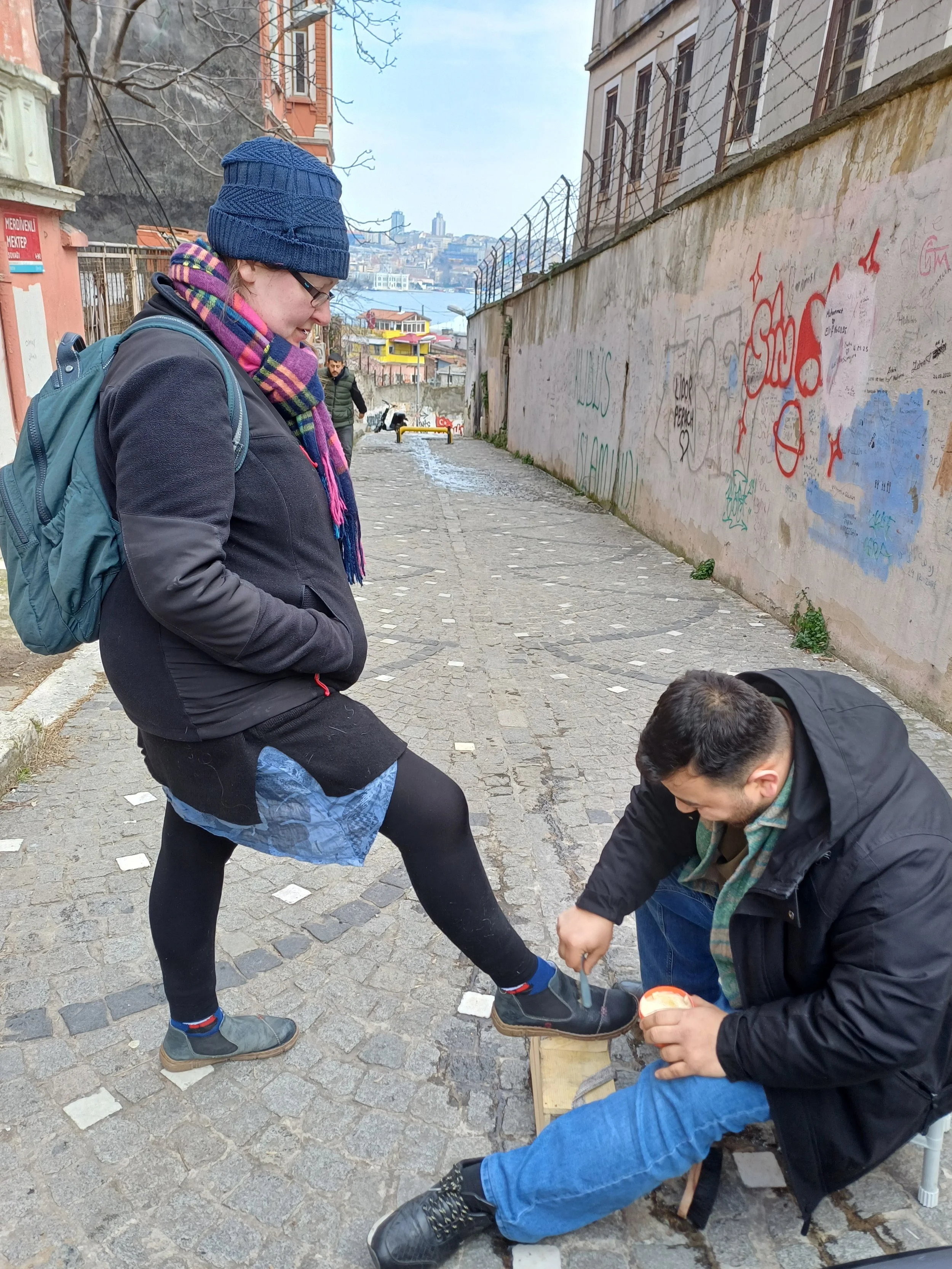
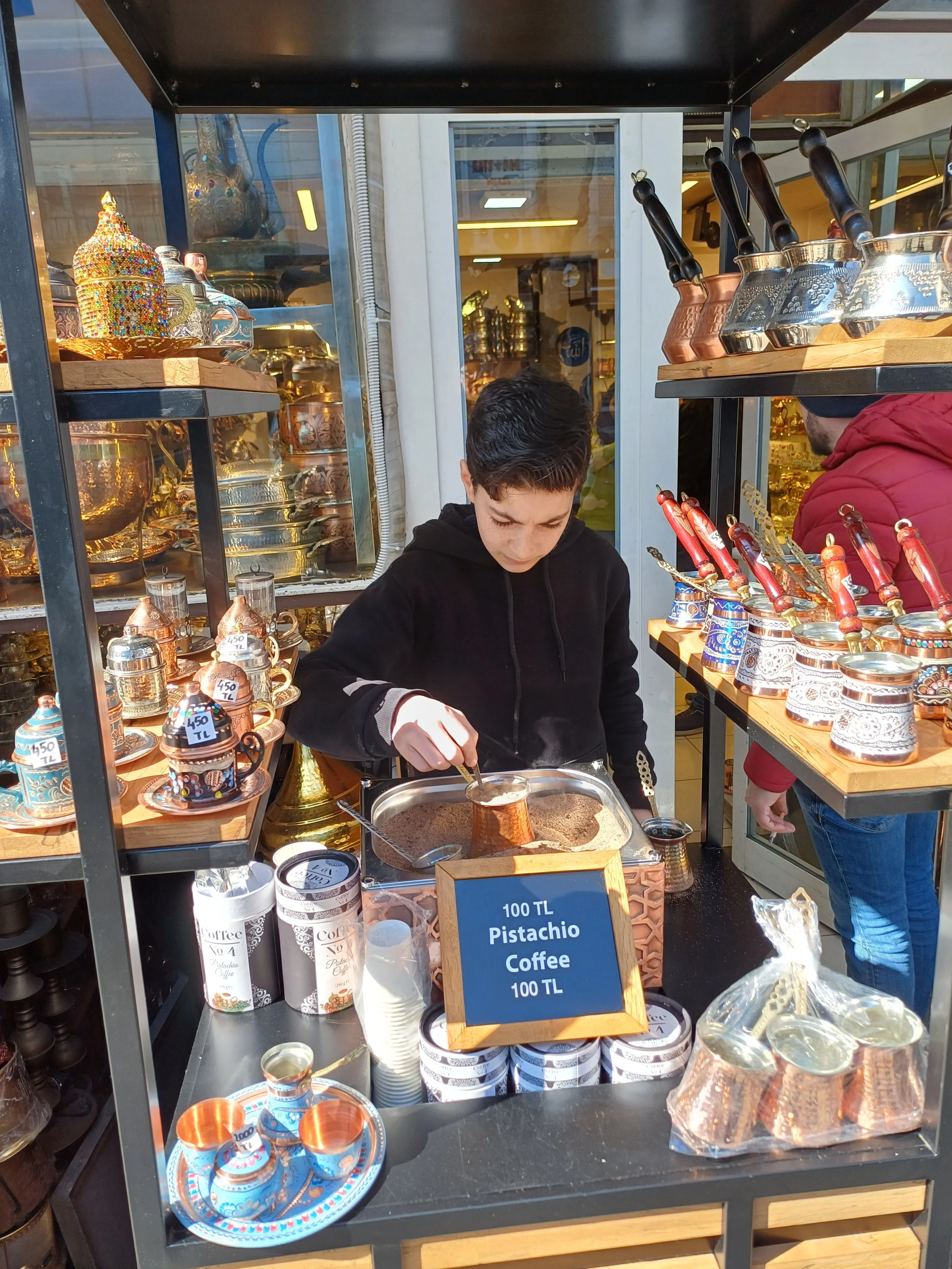
Talking to strangers
I used to find this almost impossible. I’m not naturally someone who starts conversations with people I don’t know. The thought of walking into a room full of strangers and introducing myself made something in me go tight and careful.
Solo travel forced me to do it anyway. Because the alternative was complete isolation. And after a day or two of that, you start to realise that connection — even temporary, even with someone you’ll never see again — is something the human body genuinely needs.
What surprised me was how quickly those conversations could go deep. When you’re both far from home, both navigating something unfamiliar, the usual social niceties fall away quite fast. You talk about real things. You find out what people are carrying. You recognise something of yourself in them.
I’ve thought about this a lot in relation to the women I work with now. One of the loneliest parts of expat life is the feeling that no one around you quite understands what you’re carrying. That explaining your experience takes so much energy you sometimes stop trying.
What I’ve found — in solo travel and in this work — is that the moment you let someone in, even a little, something shifts. Not because they fix anything. But because being witnessed, even briefly, changes the weight of what you’re holding.
Getting lost
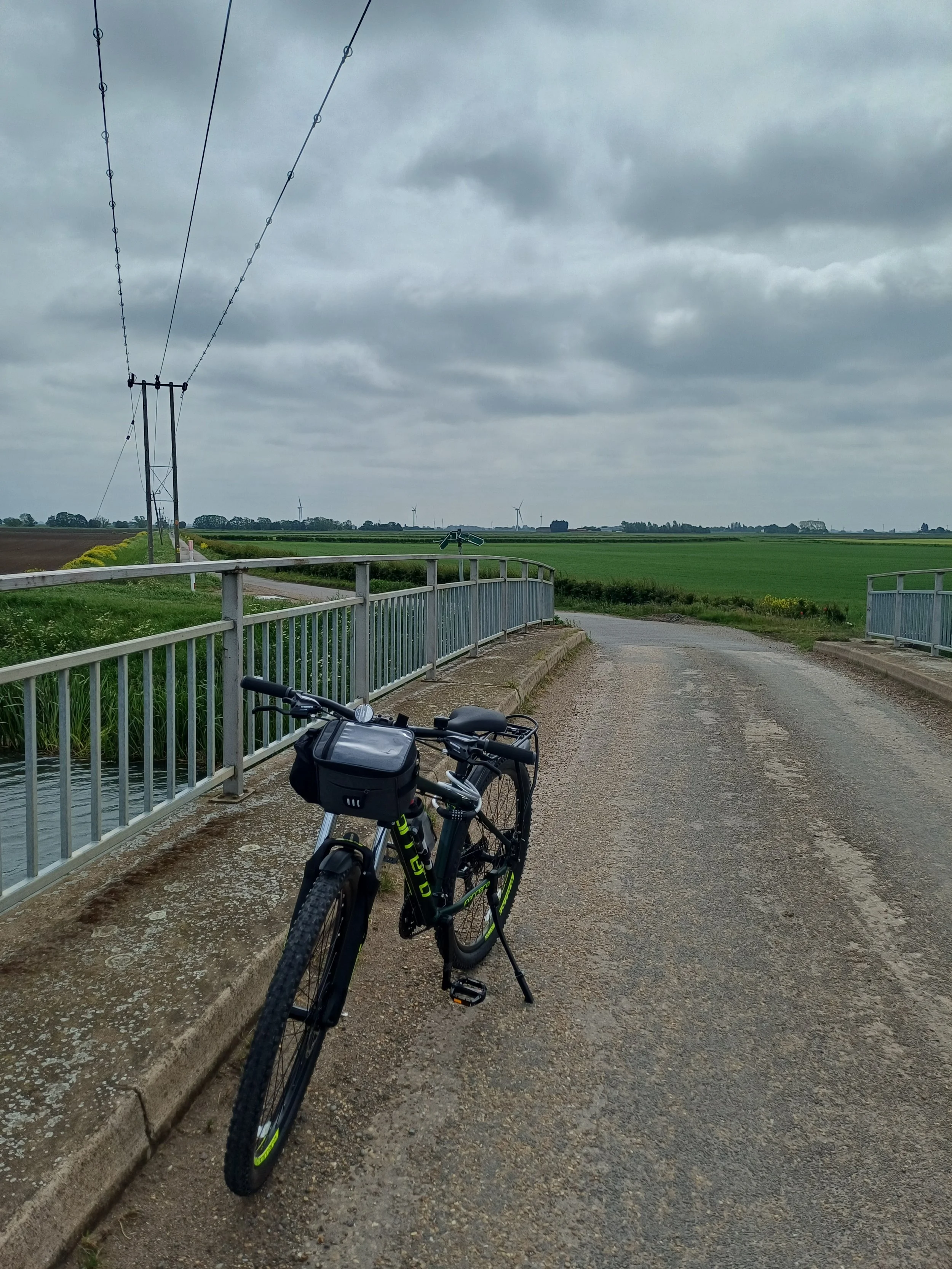
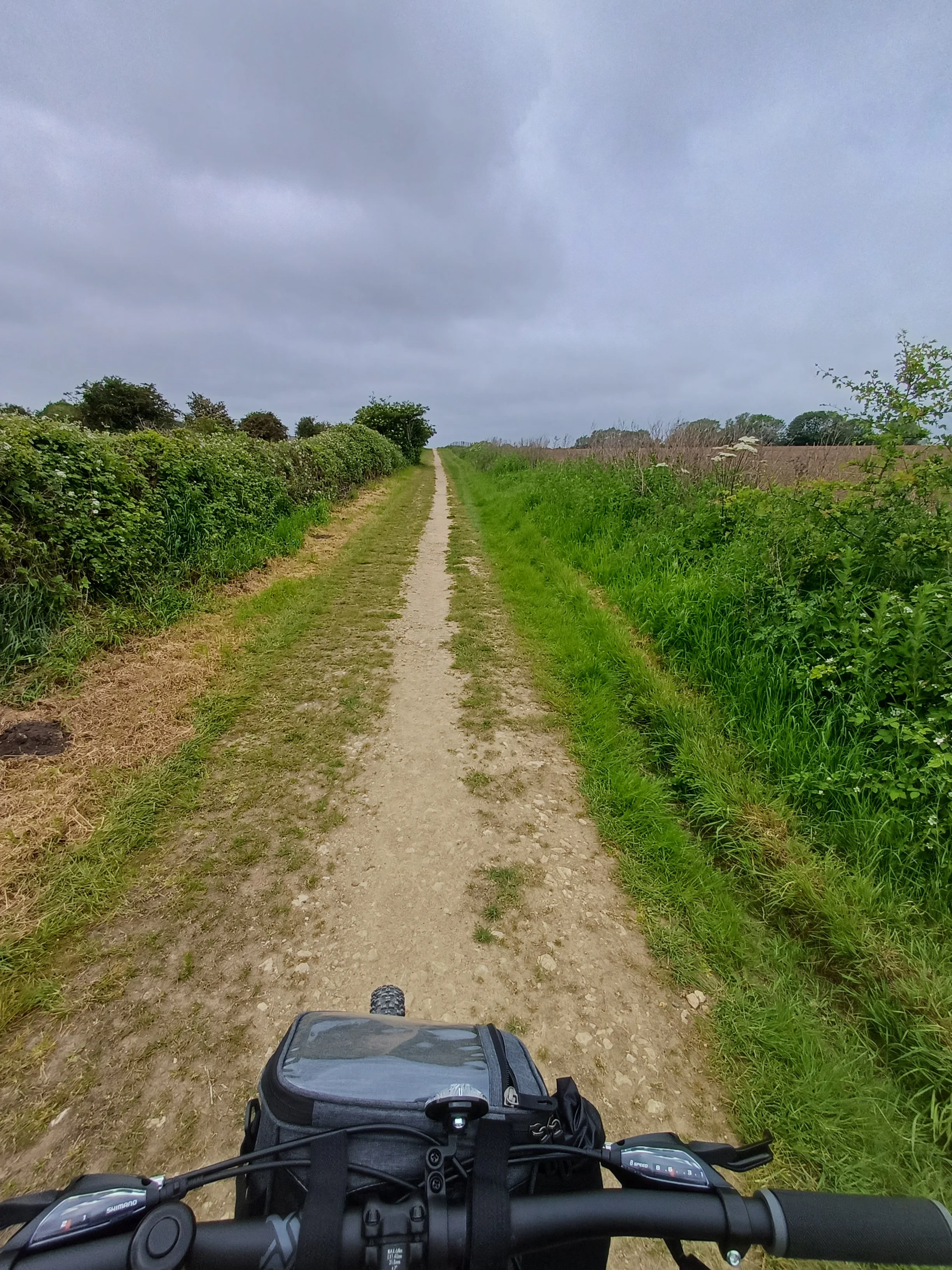
I have been lost more times than I can count. Properly lost — no signal, battery dying, walking in circles, starting to feel the particular tightness in the chest that comes when you realise you genuinely don’t know where you are.
I’ve also had some of the best experiences of my travelling life because I got lost.
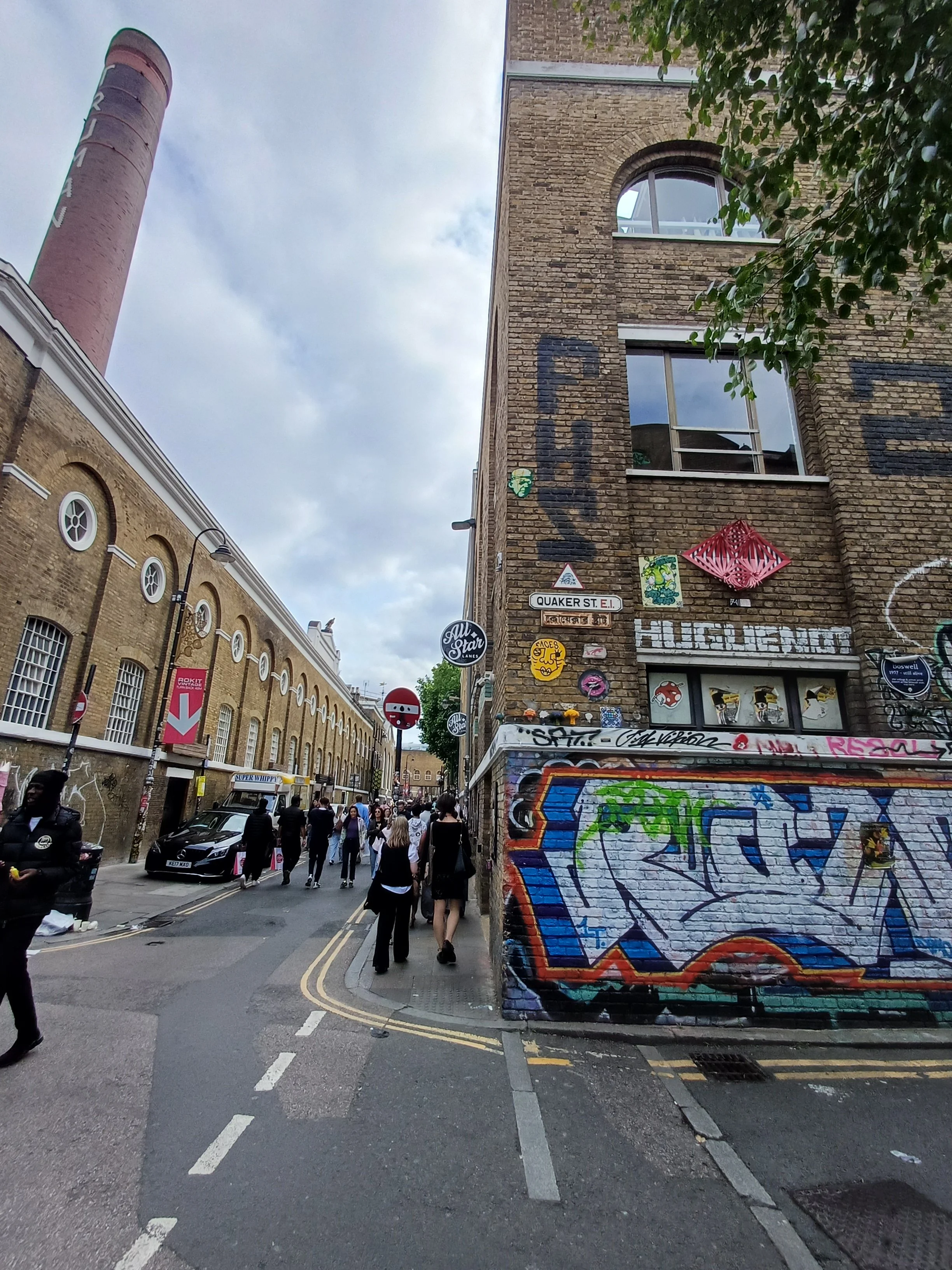
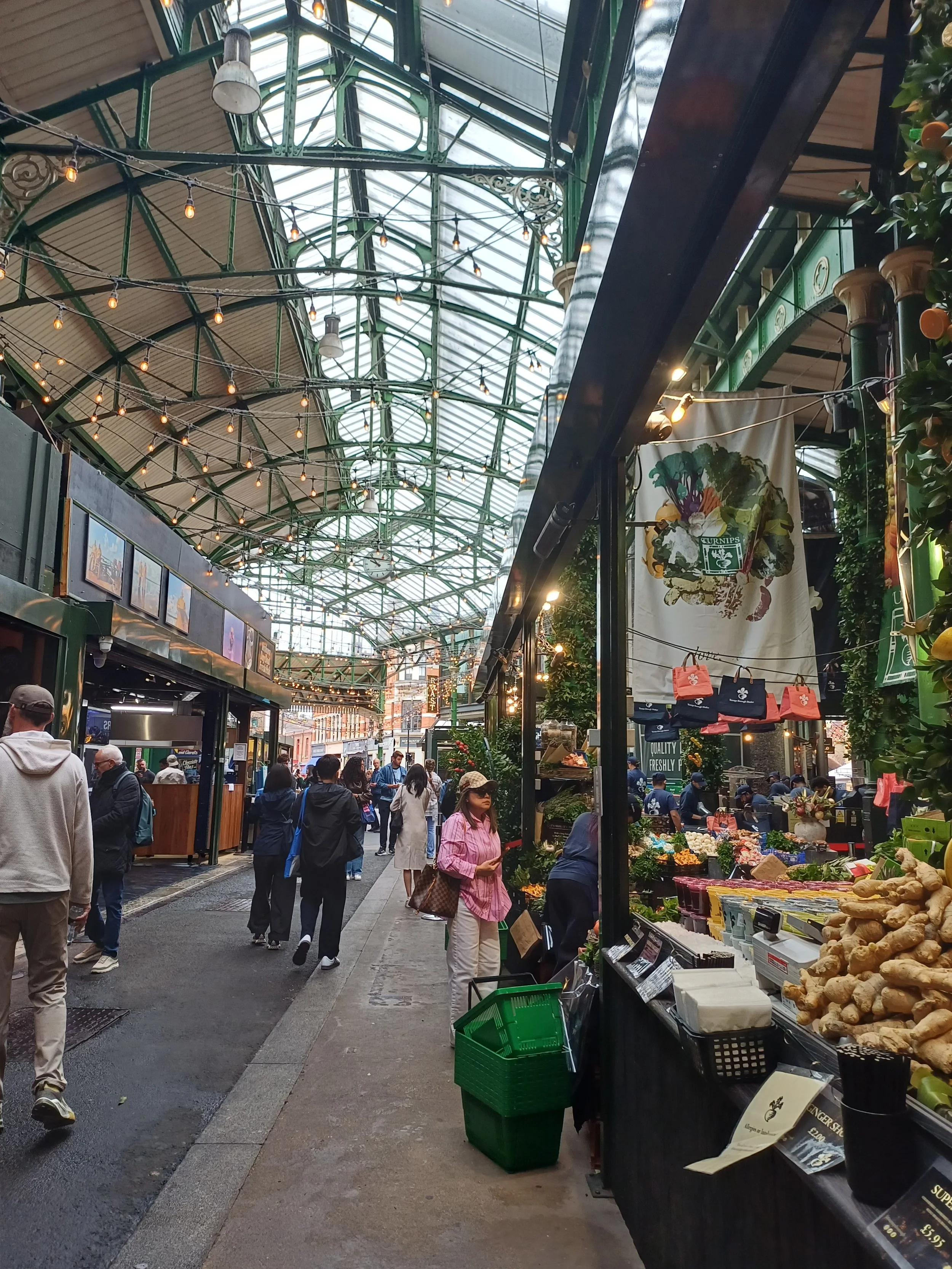
A neighbourhood I would never have walked through if I’d gone the right way. A market I stumbled into by accident. A conversation with someone who helped me find my way and ended up showing me something I hadn’t been looking for.
There’s something in this that took me a long time to trust. That not knowing where you are is not only frightening — it’s also an opening. A moment where something unexpected can arrive because you haven’t filled all the space with your own plan.
Living abroad asks the same thing of you. Again and again. You get lost — literally, culturally, emotionally — and you have to decide whether to resist that or move through it. Whether to stay tight and defended or stay open to what you might find when you stop trying to control where you’re going.
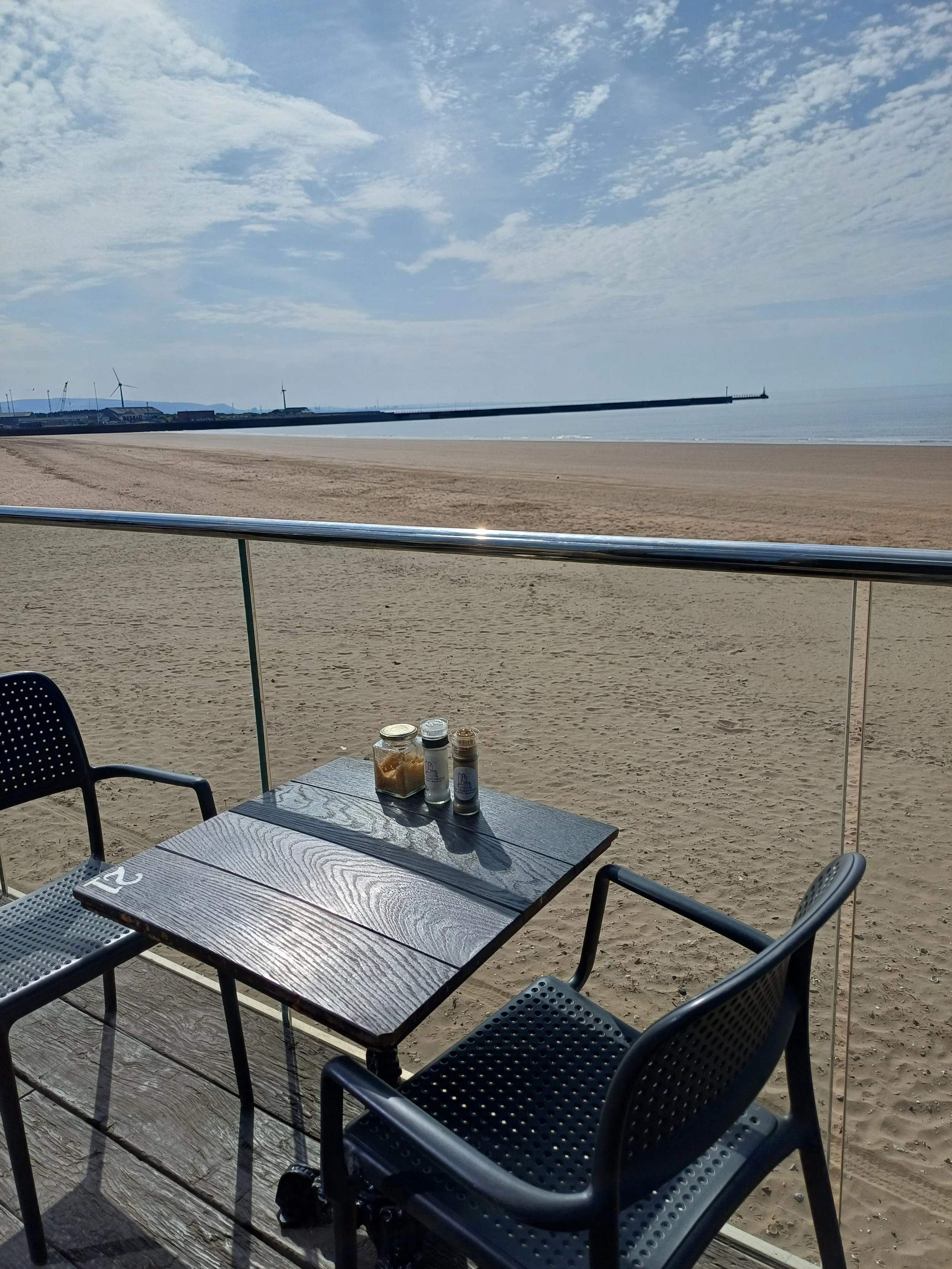
Sitting alone in a restaurant
This one took the longest.
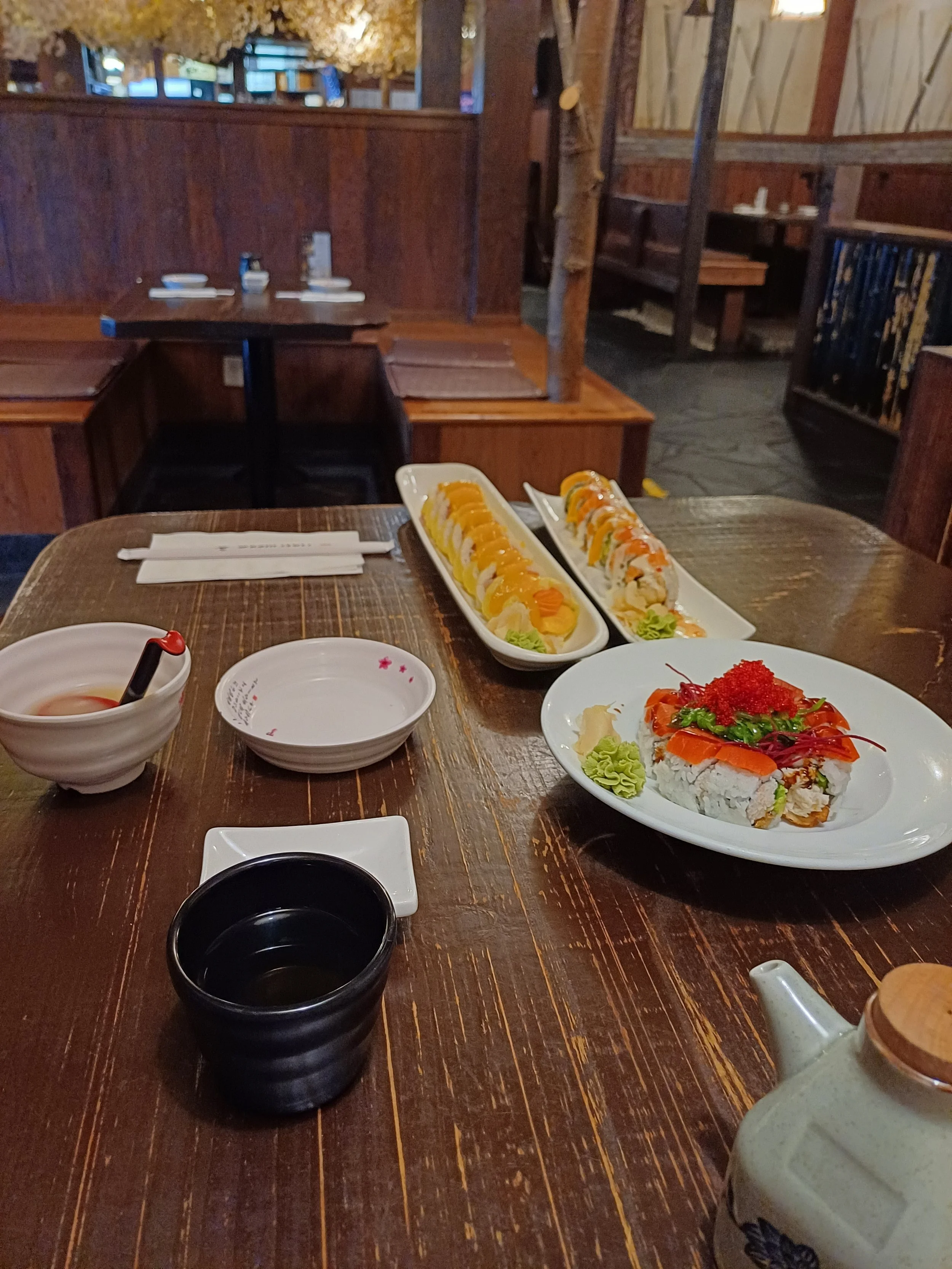
There is something about dining alone in public that feels exposing in a way that other solo activities don’t. Like everyone can see that you are here by yourself. Like it says something about you.
It doesn’t, of course. But the feeling is real. And I spent years avoiding it — eating in my room, grabbing food to take away, anything not to sit at a table alone in a restaurant and feel the self-consciousness of being visible in my aloneness.
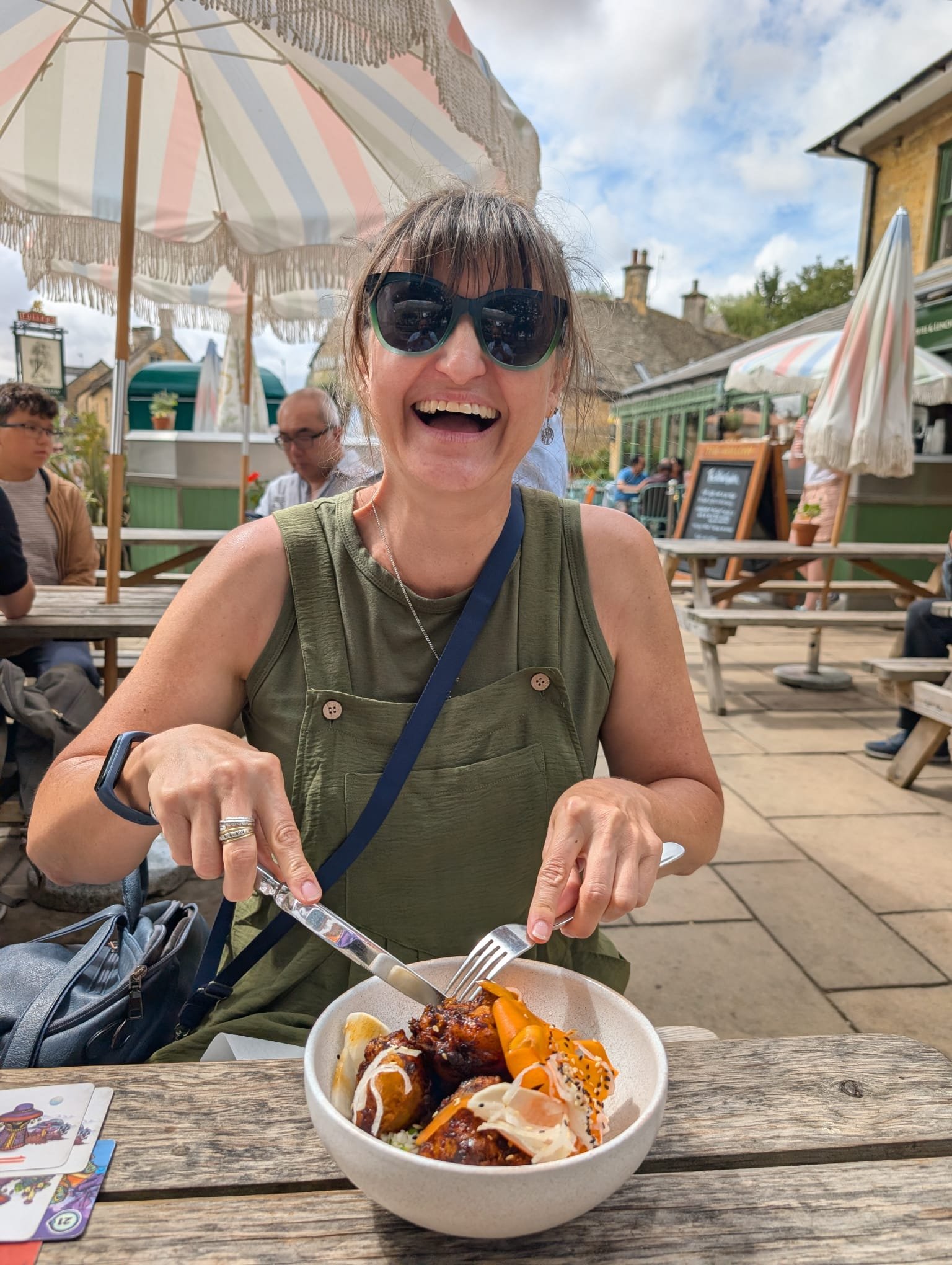
When I finally stopped avoiding it, something unexpected happened. I started to notice things. The couple at the next table. The way the light came through the window in the afternoon. The particular pleasure of a meal I had chosen just for myself, with no negotiation, no compromise.
I started to enjoy my own company in a way I hadn’t before.
This is, I think, one of the quieter gifts of solo travel — and of expat life, when you let it be. The enforced solitude can, if you stop fighting it, become something else. Not loneliness. But a more honest relationship with yourself. With what you actually like, what you actually need, what you think about when no one else is filling the silence.
Trusting yourself
I once jumped out of a moving taxi in Asia because something felt wrong. The driver had turned down a dark alley and something in my body said — leave now. I didn’t think about it. I just opened the door and got out.
I’ve thought about that moment many times since. Not because it was dramatic — though it was — but because of what it taught me about listening to myself.
We spend a lot of energy as women learning to doubt our instincts. To be polite, to not make a fuss, to give the benefit of the doubt. Solo travel cuts through that very quickly. When there’s no one else to check with, when the decision is entirely yours and the consequences are entirely yours, you learn to hear yourself more clearly.
That’s not a small thing.
Living abroad requires the same capacity. The ability to trust your own read of a situation. To know the difference between discomfort that is part of adapting and discomfort that is telling you something important. To hear yourself clearly even when everything around you is unfamiliar and loud.
What solo travel and expat life share
They both put you alone with yourself in a way that ordinary life doesn’t.
They both strip away the familiar — the people, the routines, the sense of knowing how things work — and leave you with just you. Your own company. Your own resources. Your own capacity to navigate what’s in front of you.
And they both, if you let them, teach you something about yourself that you couldn’t have learned any other way.
Not because difficulty is good in itself. But because the moments when you can’t rely on anything external are the moments when you find out what’s actually there internally. What you’re capable of. What you genuinely need. Who you are when everything else falls away.
That’s uncomfortable. Sometimes it’s frightening. And it can also be, slowly and quietly, the beginning of something.
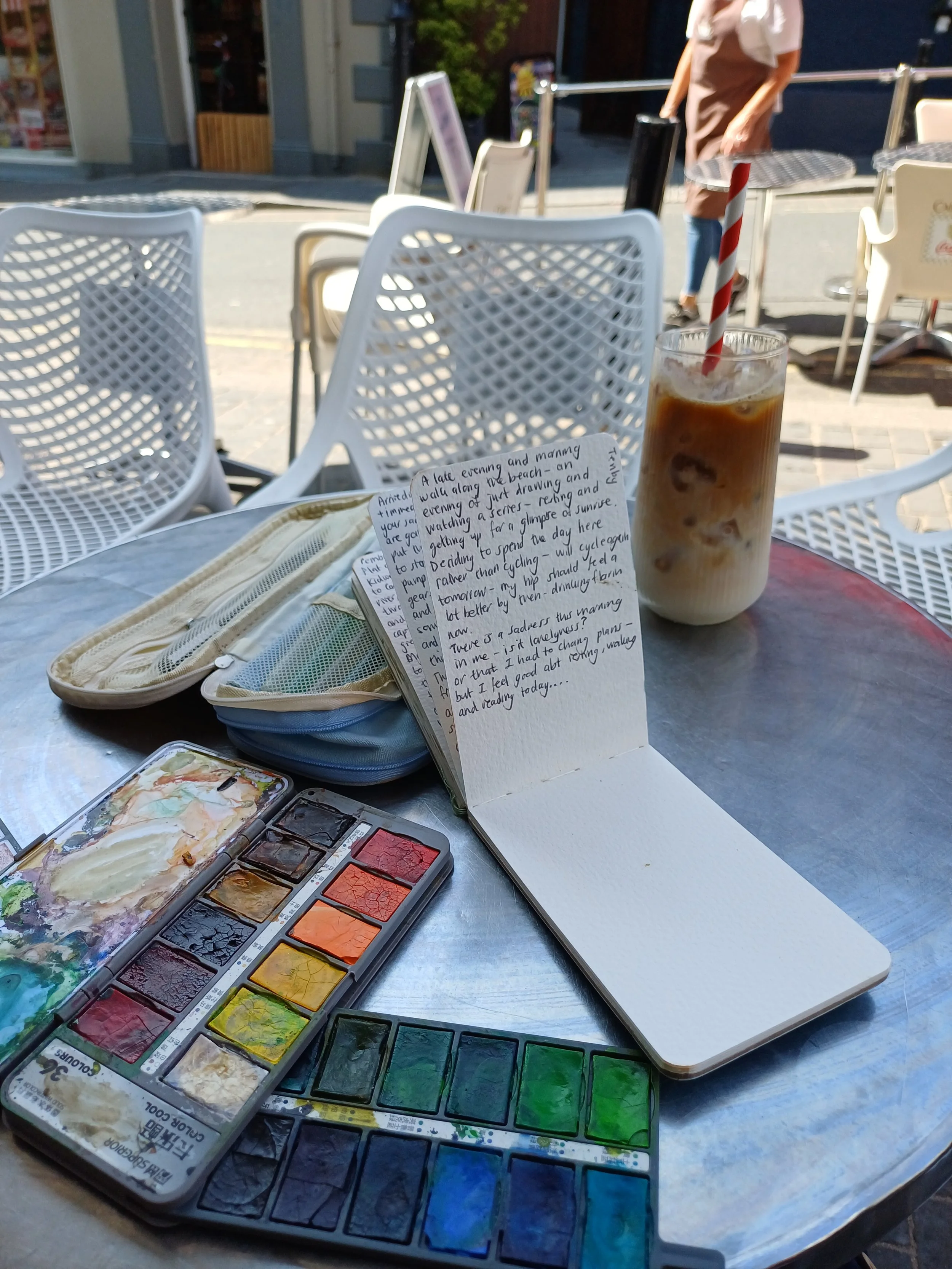
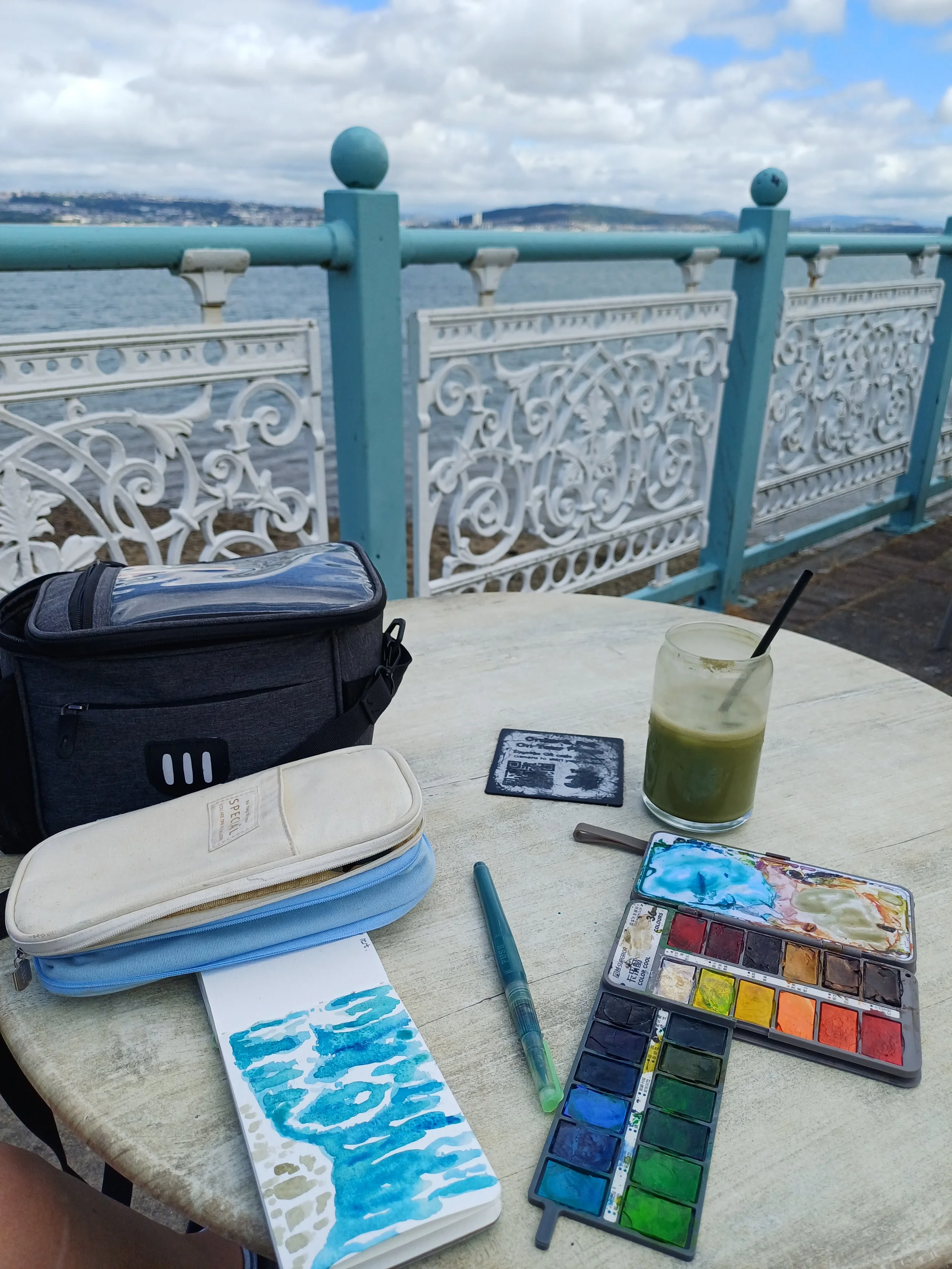
I didn’t have a name for what I was doing in all those years of solo travel — the journaling in restaurant windows, the sketching in airport lounges, the art-making in small rooms in foreign cities. I just knew that making something helped me process what I was moving through.
It’s why I do the work I do now. Not because I figured everything out. But because I know what it means to be alone with yourself in an unfamiliar place, and to need somewhere to put what you’re feeling.
If you’re in that place right now — whether you’re travelling, or living abroad, or simply navigating a life that keeps asking more of you than you expected — my free workbook Healing While Abroad was made for exactly this.
And if you’d like to read more about the travels and experiences that shaped this work, you can find them at janalinesworldjourney.com.